Growing Summer Squash: Everything You Need to Know
Summer squash and other home-grown vegetables are the star ingredients in my seasonal recipes. From squash casserole to zucchini boats, fresh produce is the taste of summer.

You can find plenty of fresh veggies at your local farmers market, but it’s not quite the same as plucking them straight from your kitchen garden. Moreover, with a little preparation and attention, squash is easy for home gardeners to grow.
This post will tell you everything you need to know about growing all types of summer squash.
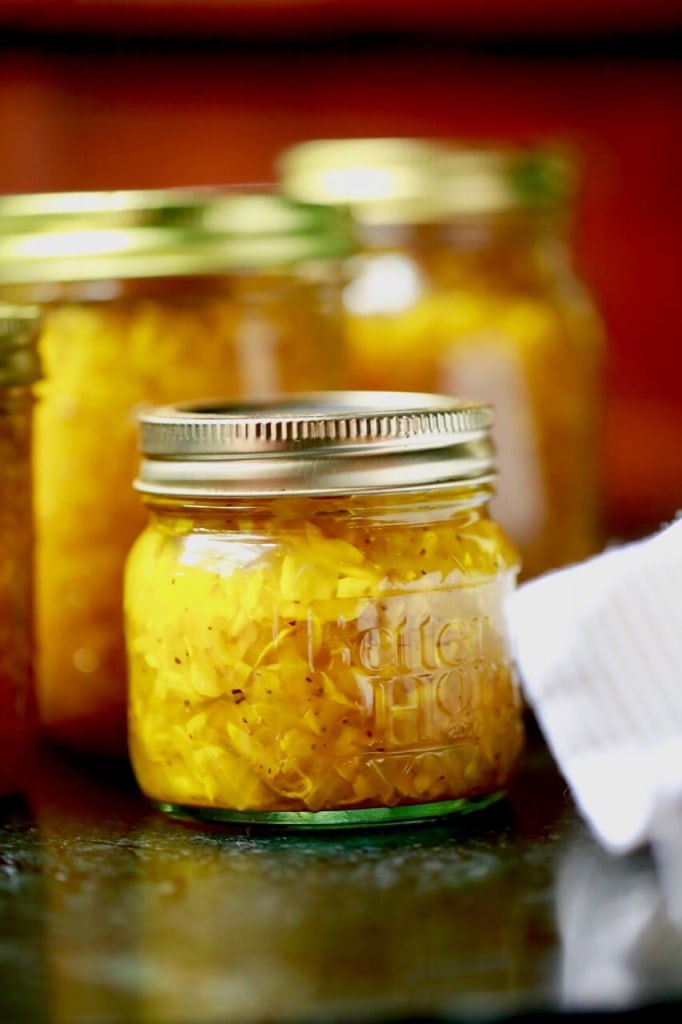
What to do with your garden bounty? Soups, stews, oven roast vegetable medleys, casseroles, and squash relish are great ways to use up your harvest. With its mild flavor, summer squash showcases the seasonings of any dish it’s in. And when it’s too hot to cook, I just toss up slices of it with home-grown tomatoes in a salad.
By the way, did you know you can eat squash blossoms? They’re delicious!

How to Grow Summer Squash
Growing squash successfully involves a mix of proper planting, care, and pest management. Here are my top tips for growing squash. If you follow these tips, your summer vegetable gardening efforts are sure to succeed.
1. Choose the Right Varieties of Squash

Select a squash variety that will thrive your climate and growing conditions. Summer squash varieties (like dark green zucchini) grow quickly and produce continuously, while winter squash (like butternut) takes longer to mature but stores well.
Here are some types of squash to try growing. In general, summer squash thrives in USDA hardiness zones 3-10.
Zucchini
Zucchini grows so abundantly in the South that sometimes gardeners are hard pressed to use it all up or even give it away. There’s always zucchini bread — a fine gift — but here’s my advice: make a big pot of ratatouille!
To grow this squash, the soil should be consistently moist but not waterlogged. Water zucchini and other squash at the base to avoid wetting the leaves.
You’ll want to harvest zucchini when the fruits are about 6-8 inches long for the best flavor and texture. By all means Instagram that monster zucchini you found lurking under a vine, but the small size vegetables will be more flavorful.
When we hear “zucchini,” most of us think of the tapered dark green variety with thin skin, but other varieties exist.

Yellow zucchini looks like regular zucchini except for the bright golden color and the fact that the neck does not taper. Yellow zucchini is slightly sweeter than green zucchini.
Round zucchini is just like long green zucchini except for the eight-ball shape. Their roundness makes these summer squash easy to stuff.
Yellow Squash
Yellow squash comes in different varieties, too. You’ll want to water it consistently to maintain moisture, focusing on the base of the plants.
Yellow crookneck squash have slender necks and bulbous bottoms. The skin is thicker than that of zucchini. Harvest crookneck squash after the curved neck has had time to develop.

Straightneck yellow squash shares the flavor and texture of crookneck, but its uniform shape makes it easier to slice evently.
Pattypan Squash
Pattypan squash are round, squat, scalloped beauties with dense flesh and a surprising crunch. You can stuff them, sauté them, or serve them raw in salads.
These summer squash like rich soil that is consistently moist but well drained. Pick patty pans when the squash is 2-4 inches in diameter for the best flavor.
Zephyr Squash
Like pattypan, these hybrid squash have dense insides, but their appearance is striking and completely unique. That’s because they are a cross between yellow crookneck, yellow acorn, and delicata squash! Have you ever seen anything like these?

Aim for full sun and a soil pH between 6.0 and 7.5 for optimal growth. As with other summer squash, zephyr squash prefer well-drained, fertile soil rich in organic matter.
2. Plant after the Last Frost
Plant squash after the danger of frost has passed and the soil has warmed up. To find the optimal planting times for your growing zone, click here.
I’ve prepared a sample planting calendar for Zone 8 here in Central Alabama. The last date listed is April, but depending on your zone, it’s probably not too late to start growing summer squash, cucumbers, and bell peppers.
3. Give the Plants Enough Space
Space the squash seeds or seedlings adequately to ensure good air circulation, which helps prevent disease. For bush varieties, sow seeds about 3 feet apart; for vining types, space them about 4-5 feet apart.
For vining summer squash, consider making a garden trellis.

4. Test and Prepare the Soil
In the early years, our vegetable garden struggled until we tested the soil to see what was missing. Once we knew the problems, we could solve them. For example, when our soil is low in calcium, I nourish it with eggshells. (Luckily, our chickens provide an endless supply of those.)
Summer squash thrives in rich, well-drained soil. Work plenty of compost or well-rotted manure into the soil before planting. Squash plants are heavy feeders, so providing a nutrient-rich environment is crucial for healthy growth.
5. Water Summer Squash Consistently
Keep the soil consistently moist but not waterlogged. Good drainage is essential. Squash plants need about 1-2 inches of water per week to grow to maturity. Use mulch around the base of the plants to help retain soil moisture and reduce weeds. Water at the base of the plants to avoid wetting the foliage, which can lead to fungal diseases.
6. Watch for Pests and Disease
Keep an eye out for common pests like squash bugs, aphids, cucumber beetles, and vine borers. Handpick pests when you see them and use row covers to protect young plants. Practice crop rotation and remove plant debris at the end of the season to reduce the risk of disease. Use organic or chemical treatments if necessary, following all label instructions.

7. Harvest Squash at the Right Time
You’ll want to pick summer squash when it is still tender and flavorful. How to know? The squash should be a decent size (for long varities, 6-8 inches long), but the rind should still be soft enough to pierce with a fingernail.
To harvest, use a sharp knife to cut the fruit from the vine. Keeping a short stem on the squash will extend its storage life.
Summer Squash Growing: Problems and Solutions
Here are some of the most common problems when growing squash and their solutions:
Squash Vine Borer
Problem: Squash vine borers are moth larvae that bore into squash stems, causing plants to wilt and die.
Solution:
- Inspect plants regularly for signs of wilting and look for small holes at the base of the stem.
- Use row covers to prevent adult moths from laying eggs on the plants.
- If you spot borer activity, carefully cut the stem lengthwise, remove the borer, and cover the wound with soil to encourage new root growth.
- Plant squash varieties that are resistant to vine borers, such as Butternut squash.
Powdery Mildew
Problem: Powdery mildew is a fungal disease that causes a white, powdery coating on the leaves, which can lead to reduced plant vigor and yield.
Solution:
- Ensure good air circulation by spacing plants properly and pruning excess foliage.
- Water plants at the base to avoid wetting the leaves.
- Apply fungicides if necessary, preferably organic options like neem oil or potassium bicarbonate.
- Plant resistant varieties and rotate crops to prevent disease buildup in the soil.
Blossom End Rot
Problem: Blossom end rot causes the fruit to develop dark, sunken spots at the blossom end due to a calcium deficiency, often exacerbated by inconsistent watering.
Solution:
- Maintain consistent soil moisture by watering regularly and using mulch to retain moisture.
- Ensure the soil pH is balanced and add lime if the soil is too acidic.
- Avoid over-fertilizing with high-nitrogen fertilizers, as this can interfere with calcium uptake.
- Add calcium to your soil with eggshells.
Squash Bugs
Problem: Squash bugs suck the sap from the leaves, causing them to wilt, turn brown, and die.
Solution:
- Inspect plants regularly and remove squash bugs and their eggs by hand.
- Use row covers to protect young plants from squash bugs.
- Encourage beneficial insects like parasitic wasps, which prey on squash bugs.
- Remove plant debris and rotate crops to disrupt the squash bug life cycle.
Poor Fruit Set
Problem: Sometimes, squash plants produce flowers but fail to set fruit due to poor pollination.
Solution:
- Attract pollinators to your garden by planting flowers that attract bees and other pollinators.
- Avoid using pesticides that can harm pollinators.
- Hand-pollinate flowers by transferring pollen from male flowers to female flowers using a small brush or by gently tapping the flowers together.
- Ensure proper nutrient balance in the soil to support healthy flower and fruit development.
- By addressing these common issues with proactive and integrated management practices, you can significantly improve your chances of growing healthy and productive squash plants.

Happy Gardening!
Be sure to tag me @stacylynharris to show me your garden squash pics.