Backyard Gardening: Growing Vegetables for Health and Joy
Backyard gardening enriches my and my family’s lives in so many ways. Sure, it’s hard work, but I never regret putting the time into making our garden thrive.
With a vegetable garden, I feel even better knowing my family and I have worked together to grow healthy, delicious food — and had fun doing it. And lately, I’ve come to see the exercise as a real bonus!

In this post, I’ll cover:
- The health benefits of backyard gardening
- How to get started even if you’re new to gardening
- Key steps and tips to help you succeed
- A roundup of my gardening posts to help you dig deeper (no pun intended)
How is backyard gardening great for your health?
Here are three ways that gardening can make you healthier.
1. It’s real exercise! You’ll get a full-body workout while hardly noticing it.
Gardening is physically intense at times. Tilling the soil, digging, pulling up weeds, and planting and caring for the plants–these activities use muscles you didn’t even know you had. But gardening as a fitness plan? I never really thought about it. Then I started noticing just how many squats, lunges, and deadlifts I do out there while planting, weeding, and harvesting.

My legs obviously get a workout, but I’m also working my biceps and triceps through pushing and pulling the rake, shovel, and wheelbarrow. You work your entire body when you dig and carry bags of mulch and other supplies, too.
Since I’ve noticed the workout benefits of gardening, I’ve been more intentional about tightening my muscles as if I’m actually exercising in the gym. It seems to be paying off.
Along with toning you up, gardening also torches major calories. In fact, you may actually burn more calories working in the garden than working out in the gym.
Gardening can be the 15 minutes a day that change your life.
For gardening clothes, comfort is key. Here are a few great options for women gardeners.


This post contains Amazon affiliate links. As an Amazon Associate I earn from qualifying purchases.
2. Your mind and heart will benefit.
As if a full-body workout isn’t enough, moving on uneven ground exercises your brain, too. Along with reading and learning new things, this kind of brain activity can help keep our minds sharp as we get older.
Spending time in the backyard just makes you feel good, too. Studies suggest lower levels of stress hormone in people who garden. And here’s something amazing: digging in the dirt boosts mood by stirring up microbes in the soil. These beneficial bugs reduce depression and make us feel more relaxed.
After Vietnam, someone advised my dad to grow a garden for his well being, and he eventually came to love gardening. Today he is the best gardener I know.

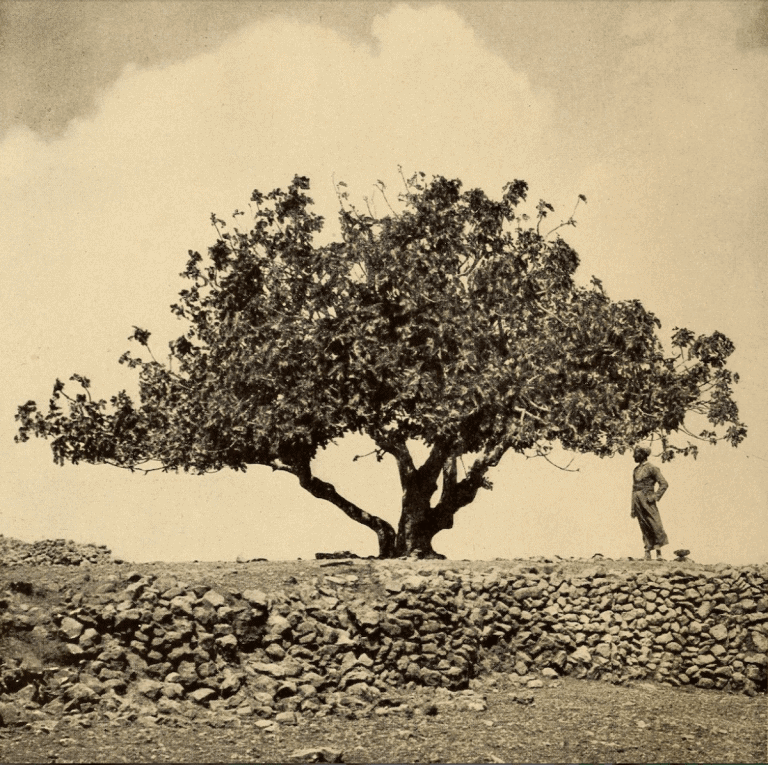
I don’t need a scientific study to tell me that gardening brings me joy. I’ve felt the emotional benefits all my life. I remember shelling the peas with my Granny after coming in from picking the figs from her fig tree, green beans, and other vegetables in the garden. It was meaningful to me as a grandchild and gave her special time with me. What better brain health could there be?
3. Your diet will be healthier, naturally.
When you grow your own food, you’re more likely to eat it, and that naturally means more fresh, healthy produce in your diet. Plus when you garden, you know exactly what’s going into your soil and food.
- You choose your seeds (heirloom, hybrid, or non-GMO).
- You can opt for natural, less toxic pesticides and control the amounts.
- You can test and amend the soil to maximize the nutrients that will develop in your vegetables.
Vegetable Gardening 101
As I write this, it’s time for fall planting here in Alabama. You can enjoy a harvest of collards, kale, lettuce, and other healthy greens this winter without a huge amount of effort.
I grow a big garden to feed our large family. However, you don’t need a lot of land to start a vegetable or herb garden. You don’t even need in-ground beds. A new gardener can start small with just a few planters or a cucumber trellis. Enjoy those first herbs, tomatoes, and peppers, and then get more ambitious next year.
Read my interview with Authority Magazine:
5 Things You Need To Know To Create A Successful Vegetable Garden To Grow Your Own Food
I cover how-tos, common mistakes, and ways to keep the costs of gardening down.
To get started with backyard gardening, the basics that you need are sunlight, rich topsoil, a hose or other watering source, and a few essential gardening tools like a shovel, trowel, and hoe.
Here are a few of my picks for gardening tools.


Depending on your climate zone and how much sun your yard gets, you can easily grow a wide variety of vegetables. However, you’ll need to be forearmed with knowledge. For example, if you don’t know the typical last frost date in your area, it will be hard to determine the correct planting time. Don’t worry, I’ve got you covered!
Once you know the right planting dates, follow the key steps below.
5 Essential Steps to Start a Vegetable Garden
- Soil Prep. Soil prep is essential for a pest-free, nutrient rich garden. Test the nutrient and pH levels of your soil every year to see what you need to amend your garden for optimal growth.
- Seed Prep. You can grow your vegetables from seed packets start from seedlings from your local garden center or plant nursery. First, make sure that the vegetable and fruit seeds that you buy will grow in your area. This step may dictate your garden’s success or failure. Partnering with another gardener from your area will help you with seed selection.
- Fertilization. Without fertilizing your plants, whether organic or otherwise, your plants will not flower, bud, or produce. Different plants need different nutrients. For example eggshells are great for plants like peppers, tomatoes, and lettuce that need a high pH soil.
- Pest Control. Pests can wipe out your garden in a night. I’ve had that happen, especially with squash. Finding out what works best takes a lot of trial and error.
- Harvesting, Pruning, and Composting. These three go together. Harvesting at the right time, when vegetables are at peak maturity, is imperative for flavorful and abundant food. When you harvest, prune some of the spent vines or plants and then compost them to create a better garden for the next year.
More Gardening Tips and How-Tos
Check out these posts for more tips on backyard gardening.

Best Gardening Tools for Beginners
You don't need much to start a garden! In this post I share my 5 must-have gardening tools along with other helpful tools and accessories.

Planting Dates for Vegetables and Herbs
Fall planting dates?! But it’s only August. You'll want to start early on your fall garden -- though not too early -- to keep those fresh, healthy vegetables coming. Mid-August is high time to start planting a fall garden to ensure a bountiful crop of greens when the cool season hits. Check out this post for summer planting dates.

Starting Seeds: Grow Tomatoes, Peppers, Eggplant and More
You can start seeds indoors in the winter and then transplant them in the early spring. Cabbage, broccoli, Brussels sprouts, and then later tomatoes, peppers, and eggplants are a few of the small-seed vegetables that do well when started indoors.

Growing Summer Squash: Everything You Need to Know
To grow squash, you need a mix of proper planting, care, and pest management. If you follow these tips for the different summer squash varieties, your gardening efforts will yield a beautiful, healthy harvest.

Composting is Good for Your Garden AND the Environment
Learn why and how to compost those nutrient-rich scraps from your kitchen. Don’t be intimidated; it’s super easy!

How to Use Eggshells in the Garden
I wrote a whole post on eggshells in the garden because they're such an amazing way to feed the soil and deter pests.

Vertical and Container Gardening is for Everyone
Container and raised bed gardening are great options when you don't have space for a big garden plot. A pot of basil or planter of parsley beautifies a deck or lawn while it grows flavor for your food.

Tips for Making a Cucumber Trellis
Vertical gardening helps you maximize space. Learn how to build a simple trellis to grow cucumbers, peas, and pole beans.
Wondering what to cook with all those fresh, tasty veggies? Check out my vegetable recipes here and in my cookbook Love Language of the South.