How to Grow a Lemon Tree
Grow a lemon tree this far north? Yes! My friend Rex’s 10-year-old Meyer lemon tree is flourishing, and it’s inspired me to plant one of my own. Watch the video to see this lush tree and its beautiful fruit and to learn how Rex keeps it healthy through cold snaps.
How to Grow a Lemon Tree
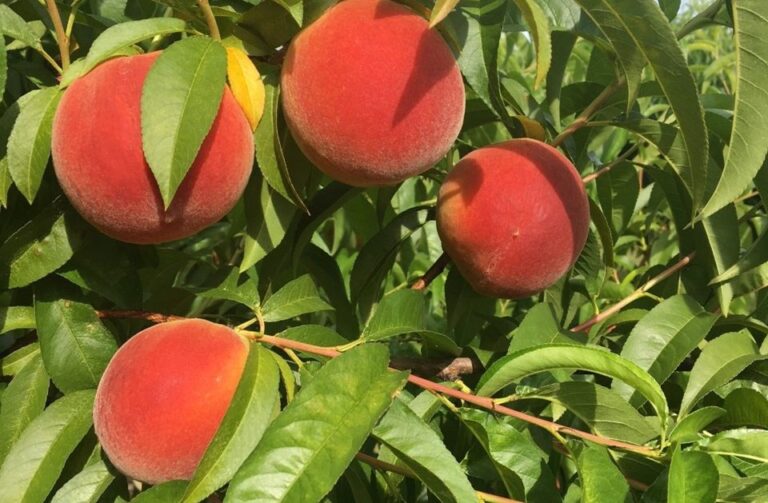
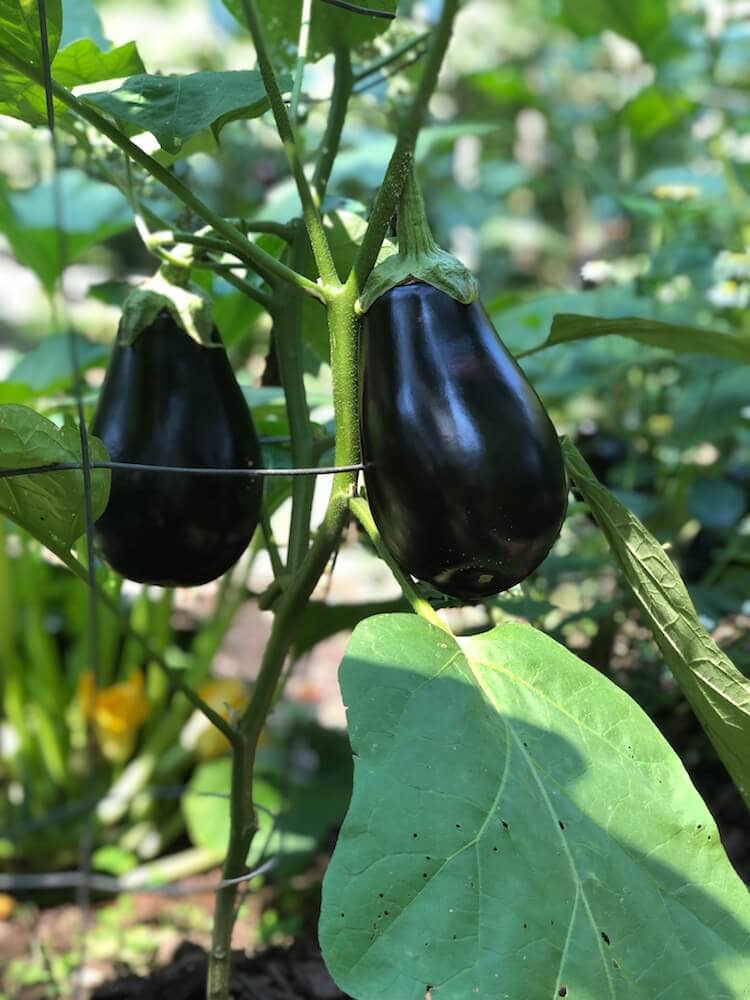
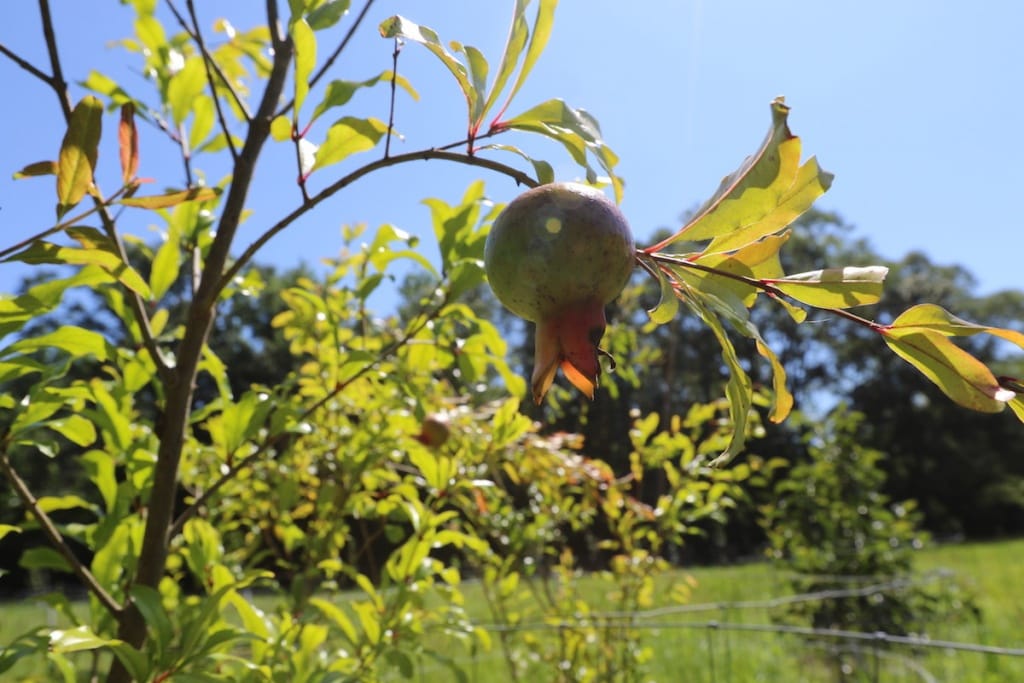
I already grow a variety of fruit trees here in Alabama: pomegranates, loquats, figs, cumquats, plums, peaches, pears, apples, and a few others. Citrus trees like Satsuma mandarin orange, Ruby Red grapefruit, and Meyer lemons grow well in our climate zone, too, with a little extra care.
Here are steps, tips, and considerations to grow your own lemon tree, either from seed or by planting a young grafted tree.
At what temperature do lemon trees grow best?
Lemon trees grow best in temperatures between 70-90 degrees and where it doesn’t drop below 50 degrees, but they can grow in colder climates with care. I put lots of mulch (6-10 inches thick) around the base of a fruit tree during the cold months. This works for me, and we definitely get drops in the temperatures to around the 20s.
As explained below, my friend with this lush Meyer lemon tree keeps it cozy with pine straw. Look how tall it is, and look at those beautiful lemons!

What types of lemon trees grow best in the South?
We have some cold winter nights here in Alabama in hardiness zone 7. In the United States north of zone 9, you have a few options for lemon trees that can survive a cold snap.
- Meyer lemon Trees (Citrus x meyeri): The Meyer lemon is actually a hybrid cross between a lemon and a sweet orange. It is not only sweeter than other lemons but a bit more tolerant of cold. You can grow Meyer lemon in a container to bring it indoors in winter.
- Eureka and Lisbon Lemons: These are the classic, tart lemons that you get in the grocery store. They are more cold sensitive than the Meyer variety, so they may be tough to grow north of zone 9.
- Ponderosa Lemon: These are not a true lemon but, like the Meyer, a hybrid. This lovely tree bears huge fruit (up to 5-lb. lemons!) and grow well in pots indoors.
When should you plant a lemon tree?
You can start growing a lemon tree from seed indoors before spring. Lemon seedlings often do better in containers in cooler zones because you can move them indoors during cold snaps.

If you are planting a tree straight into the ground, plant in early to late spring after the last frost. In hotter climates — USDA growing zones 9-11 — or in a greenhouse, you can plant any time of the year.
How do you plant and grow a lemon tree?
I’m including the steps to grow a tree from a lemon seed, but my choice is to plant a young grafted tree. It will reach a mature size and bear fruit quickly, and who wants to wait years to harvest those lemons? Read more about grafting here.

If you are planting a young tree directly in the ground, just skip down to step 10.
- Preparing your planting pots to ensure good drainage. Try mixing potting soil with coarse sand.
- Collect your seeds from a ripe, healthy, mature fruit. Be sure to wash lemon seeds thoroughly to remove any remaining pulp.
- After cleaning the seeds, you can soak them in clean water for a few hours to soften them. Then let them dry on a paper towel briefly (no more than a few hours) before planting.
- Plant seeds at a shallow depth: sow ½″ deep, cover lightly with soil, and water gently.
- Lemon seedlings need warmth and bright, indirect light. Seeds will germinate fastest at around 70–85°F. Watch for germination in 1–3 weeks.
- Keep the soil evenly, lightly moist and humid. A humidity tray can help seedlings, but be sure to ventilate them daily to discourage fungal growth.
- If you’ve planted multiple seeds, watch for the strongest seedling and thin out the rest.
- Pot up your lemon tree as it grows. When the roots begin to fill the pot, transplant the tree to a larger container.
- In the spring, dig a hole twice as deep and as big as the root ball in a location with plenty of sun (at least 6 hours a day) and in a well-drained area.
- Plant your lemon tree in the ground after the last frost, no sooner than early spring in all but the warmest zones. Choose a sheltered, sunny spot, and make sure the tree is in well-drained soil with plenty of air circulation.
- Insulate the tree from the cold: to protect his mature Meyer lemon tree in winter, my friend just surrounds the trunk with pine straw. You also could use blankets, frost cloth, or micro-greenhouse plastic sheeting.
When will lemons be ready to harvest?
You’ll want to harvest your lemons before the first frost. Around here, that’s in November. Right now at the end of September, my friend’s lemon tree is full of soon-to-be-ripe fruit!

How much water do lemon trees need?
During the growing months, 1-2 times a week is enough. Freshly planted or young plants will need more watering than mature ones. Citrus trees are vulnerable to root rot, so be careful not to overwater. If you notice the tree’s leaves turning yellow, that’s a sign it is getting too much water.
What fertilizer should I use for my lemon tree and how often?
You will need a high-nitrogen fertilizer (6:3:3) or a citrus specific fertilizer. Fertilize the tree 2-3 times a year, and prune only to remove dead or weak limbs.
What is the lemon harvesting time?
Typically in the cooler zones, you’ll want to harvest the ripe lemons in November before the first frost.

What about pests? How to deal with insects that attack citrus trees
Here in Alabama, we may find ourselves doing battle with a variety of citrus pests: the citrus leafminer, aphids, scales, mealybugs, whiteflies, and the invasive Asian citrus psyllid (ACP). That last one is especially serious because it spreads citrus greening disease. If you detect an ACP infestation, be sure to report it.
Here are some natural ways to deal with insects that attack lemon trees.
NOTE: Always follow label directions for any product, and time the applications to target the young larvae. Avoid spraying blooming plants, and use oils late in the day or early morning to minimize heat stress and help protect pollinators.
- First and foremost, keep the lemon tree healthy with the tips above.
- Encourage helpful insects that feed on the destructive ones. Ladybugs, for example, are a gardener’s friend because they eat lots of aphids. They like to lay their eggs on nettles, and they are also attracted to flowering herbs like fennel and dill.
- If you find heavily infested shoots, prune them off the lemon tree and dispose of them far from the tree.
- insecticidal soaps are effective against soft-bodied insects like aphids and some mealybugs. Spray a single branch first to make sure the soap doesn’t adversely affect the lemon tree.
- During mild, dormant months, carefully try a horticultural oil spray. These are effective against aphids, mealybugs, and citrus leafminers. You can buy a horticultural oil at a gardening center or make your own.