Eating Local
Eating Local
Every Southerner is, in some way, exposed to farming or ranching. When I drive anywhere outside of town, I pass fields of cotton or corn, and large pastures full of cattle.

Despite the apparent thriving industry, I pass old farmhouses with the land around it now given up to pine plantations.

The many small farms that once blanketed the South are gone, leaving only the strongest to survive. The decrease of farmers has resulted in fewer people eating from the local grower. The change is not all bad; farmers are now much more efficient and can offer produce at a lower price, but it does have some drawbacks. What led to the decline of the small farmer and local foods, and what are we missing?
The major abandonment of local foods rooted from the improvement in transportation. Freight trains offered the best transportation of produce well into the turn of the century. The trains kept some staples rolling in, but many rural business owners found it cheaper to buy locally than to pay the freight for a lot of the produce, therefore most rural citizens relied on the community for the majority of the amenities. Every farm grew their own vegetables and many families raised chickens and other farm animals. Of course, there would be a lot of bartering in the community, such as honey for milk or vegetables for eggs, allowing everyone to have a well-stocked pantry.
Up until rural Americans had reliable automobiles and good roads, well into the 20th century, a trip to town was a big day. Folks went to town for what they couldn’t or didn’t grow. When these rural Americans made it to town, they would be sure to get enough supplies to last many weeks. Before the Great War, all Americans went to the general store for many of their needs. These stores would contain staples like yard goods, house amenities to dry goods like flour, sugar, molasses, and dried fruit. The customers would make the visit a social occasion and sit around the “cracker barrel” catch up, all the while directing the worker to get the necessary food items from behind the counter and have then measured and packaged. They would then put the bill on their tab to pay off when the harvest came.

If the family needed meats or dairy, they would then visit the butcher or the dairy, for, unlike today’s stores, general stores did not market perishable items.
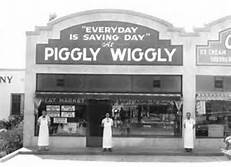
In 1916, Clarence Saunders revolutionized the general store with the first self-serve grocery store, Piggly Wiggly. Unlike the general store, the buyer walked down isles (a novel idea) and selected already packaged and colorfully marketed goods. Also, this store only accepted cash and not credit, an error that brought many of those general stores to their doom. From this success, many other grocery stores opened and replaced the general store by the 1940s.
How does this hurt the local grower? These new grocery stores strived to have consistent products throughout their chains. Their produce, particularly the fruits and vegetables, had to be fresh longer and hold up to shipping. These stores selected varieties of fruits and vegetables that shipped best and offered more consistency throughout, excluding many orchards and local vegetable favorites.
The improvement of the roadway allowed stores to develop their own transportation system. More perishable goods could now be bought from the few large companies and brought over the states at a better price rather than relying on many small farms. In 1956, The Eisenhower Interstate System was established and made transportation easier than ever. Small family farms could no longer compete with the larger farmers and were bought out, with the family moving to the city.
I recently looked at several old highway maps from the 30s or 40s. I was shocked to find that the meek crossroads I drive past today were once thriving farming communities. I wish I were now able to barter with my neighbor like was so common just a couple of generations ago. I am not saying that grocery stores and supermarkets (development from the grocery store that started becoming famous in the 50s) have not helped us. We now can conveniently purchase just about everything we need at one store for a great price and little frustration, but by abandoning our local foods we miss out on a lot of wonderful and regional flavors.
Buying locally, you can experience what a true Red Delicious Apple really taste like, not that under ripe alternative that is mutated for shipping.

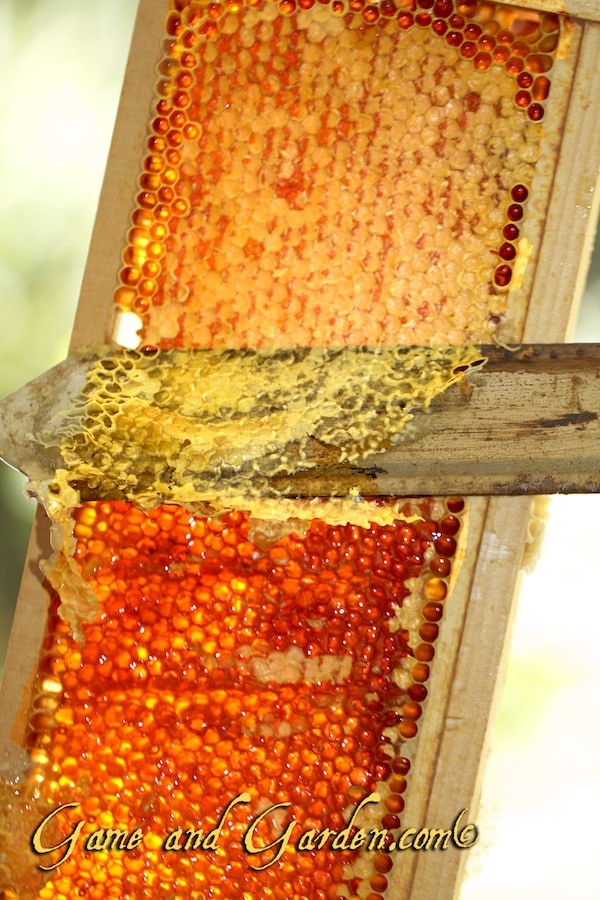
You can also get the benefits of allergy relief with every spoonful of local honey.
Further, supermarkets do not offer high-quality meat and dairy. One must go to specialty store that offer produce from SMALLER (and often family companies), to get such things.
These smaller businesses cannot offer the low prices of the supermarket brands, but they do offer several other advantages. You KNOW where your food is coming from and often you can talk directly to the one who produced the goods. More importantly, small businesses tend to prefer quality to quantity, and offer far superior produce.

This produce, whether it is apples or milk, will have a distinct flavor that cannot be found in any supermarkets.
Life today, with supermarkets containing acres of produce grown all over the world, could only be imagined to the rural Southerner for the first half of the last century. This new form of shopping offers advantages and disadvantages. I think I come out best by harnessing both of the markets. I can save money and get my dry goods such as flour and sugar for the best price at the supermarket (though you can order and grind your own wheat) and I will stick to the local farmers and my own garden and orchard for my perishables.

The taste doesn’t even compare and the health benefits far outweigh any convenience or cost that the supermarket can give me.
I think our ancestors had it right. Grow and harvest what you can, buy any other produce first from the local farmer and then the markets. For health and taste, nothing can beat living the self-sufficient lifestyle paired with the local community. Happy Growing, Harvesting, and Cooking!