
How to Cook Venison: Ten Tips from a Wild Game Chef
This post will tell you how to cook venison to perfection and so much more. I’ve gathered my best tips to help you successfully process and cook deer meat.
Venison is one of the healthiest sustainable foods in the world. Free of antibiotics and hormones, deer meat is low in fat and cholesterol and high in vitamins B6 and B12 as well as heart-healthy Omega-3 fatty acids.
Moreover, properly prepared, deer meat is delicious! I have a lot of recipes to share for cooking venison steaks, venison roasts, ground venison, and venison sausage.
But before we get to the recipes, I’ll share some essential steps to take deer meat from field to table.
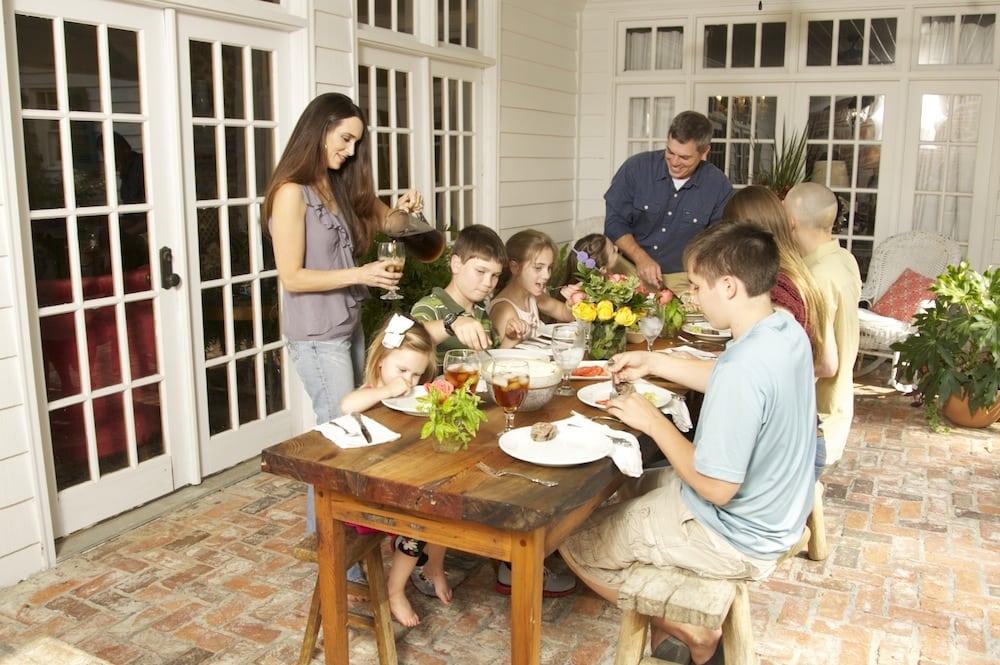
How to Process, Age, and Cook Venison
1. Preparation Begins in the Field: Dressing the Deer
Even before you go hunting, have a plan for quickly getting the deer dressed: removing the intestines and other inedible internal tissue. Time is of the essence to keep the meat fresh and untainted.
If you’re using a wild game processor, get the deer to their facility as quickly as possible. Most processors will have a walk-in cooler at the perfect temperature (34-37 degrees with 88 percent humidity) to age your deer meat. If you are going to be more than a few hours before processing the meat or getting it to a processor, quarter the deer and get it on ice as soon as you are able.
If processing the venison yourself, always remember to remove the sinew, gristle, silver skin, and anything else that is not muscle. This helps ensure your meat will be as tender as possible.
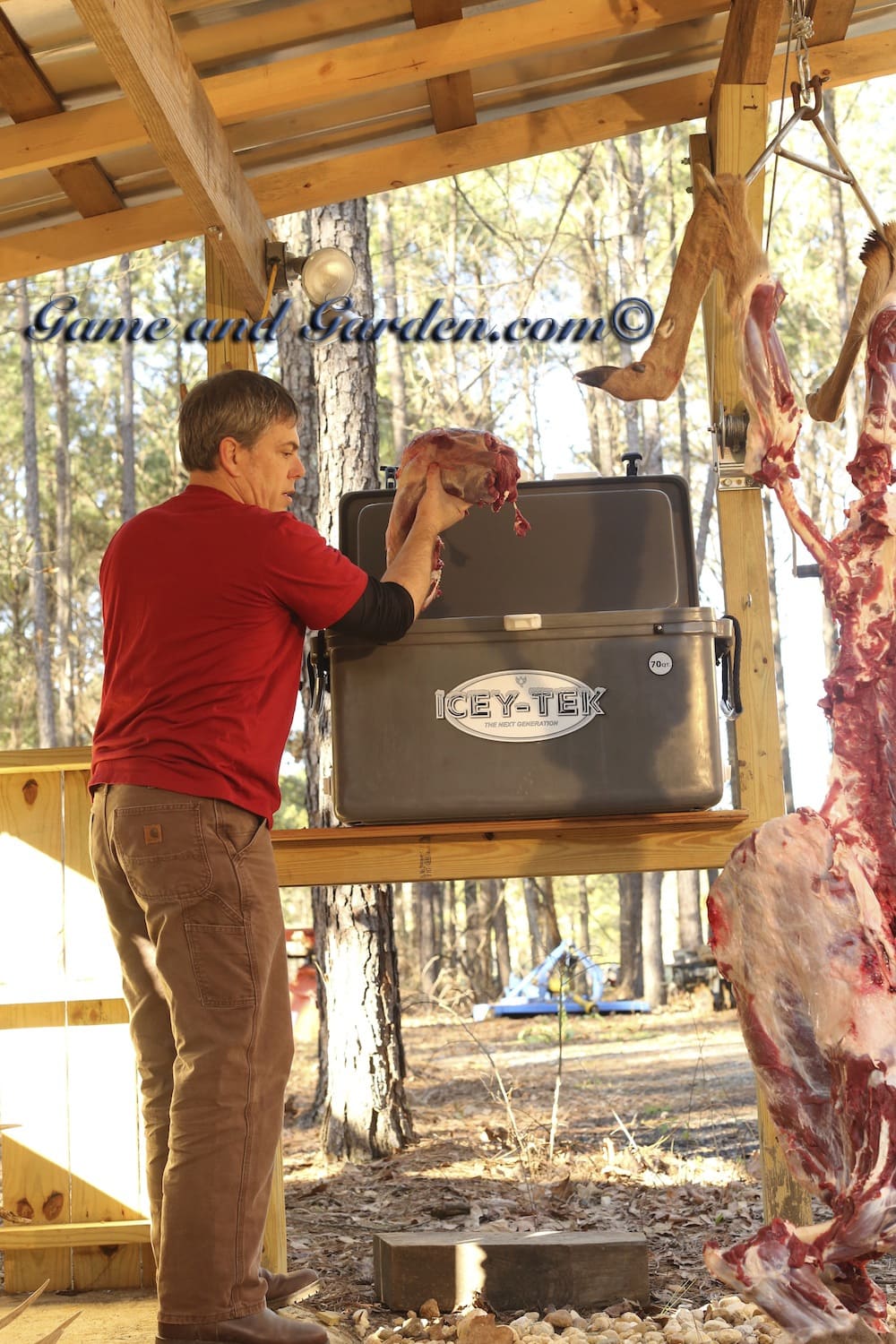
2. Aging Venison for Tender Meat
Many people forget what may be the most important step in creating succulent, tender deer meat: aging. Aging the meat helps develop the final tender texture of venison.
A processor will take care of this step for you. If you are processing your own deer, you can complete this step before or after freezing your meat. There are two methods of aging meat: dry aging and wet aging.
How to Dry Age Deer Meat
I prefer dry aging my venison before freezing it. In dry aging, the venison needs a constant air temperature of 34-37 degrees to denatures, or break down, the meat.
You can easily make your own aging apparatus with these steps.
- Purchase a plastic bin and poke holes in the sides and top of the bin.
- Place butchered venison on a cooling rack inside the bin.
- Every few days, empty the blood from the bin.
- Continue aging the meat for seven to ten days.
Many people age their venison for up to fourteen days, but I feel that ten days is sufficient to break down the connective tissue and muscle fiber for tasty meals.

How to Wet Age Deer Meat
Wet aging often gets done after thawing the meat. This is the common way that grocery stores age meat. No air must touch the meat after vacuum sealing. Once meat is thawed, allow it to age by leaving it vacuum packed for up to fourteen days.
If you have not adequately aged your venison and need to use it fairly quickly, here is another option. Place unpackaged venison on a cooling rack on the counter and point a fan directly at the venison for about thirty minutes. You will be amazed at how much better your meat will brown and how much more tender your venison will be.
3. Don’t Mask the Flavor of Venison; Enhance It!
Many people forego eating venison because they think of it as a tough, chewy meat with a wild, gamey flavor. Actually, they are not wrong–if they prepare the meat as if it were beef they had purchased from the supermarket.
But properly cooked, venison is not gamey; it simply has its own unique flavor. Deer forage for their food. They eat grass, fresh herbs, acorns, berries, and nuts. Corn-fed cows are really tasteless compared to animals that forage a variety of foods in the wild.
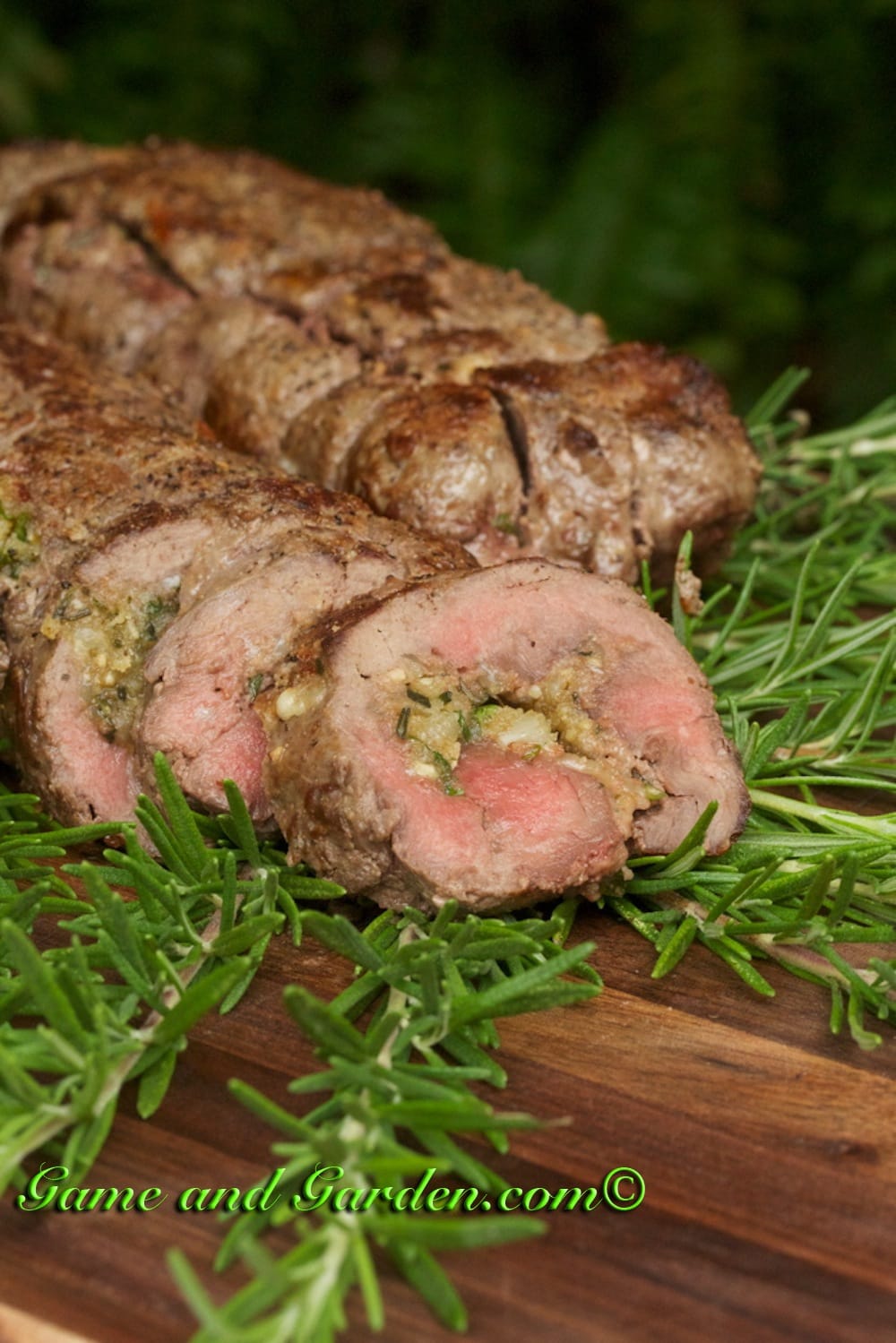
Sometimes the simpler the seasonings, the better, especially with venison tenderloin and backstrap of the deer. The venison backstrap can be cut into steaks, seasoned liberally with salt and black pepper, and cooked over high heat with a little olive oil. Trust me, a simple, perfect venison steak is the best eating you could ever want!
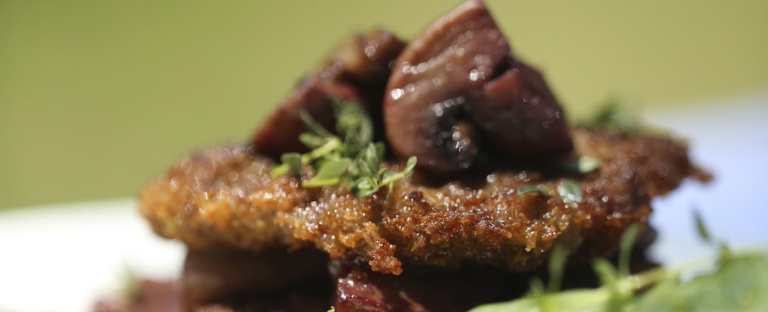
For extra flavor, other seasonings that complement venison are garlic cloves and herbs like rosemary and thyme. Of course, you can also make wonderful gourmet dishes like Venison Medallions with Wild Mushroom Cabernet Sauce.

4. Cook Venison Like Venison instead of Corn-Fed Beef
The most important tip for cooking venison is not to overcook it. There are many methods of cooking venison where the meat must be eaten rare or medium-rare. If you overcook venison, it is like eating rubber. However, if you do a perfect sear and then let it rest for about ten minutes before slicing, it is like eating butter!
A meat thermometer is essential if you want tender, juicy venison steaks. Venison cooks faster than beef, and the rare meat needs to reach an internal temperature of only 130 degrees. If venison reaches 150 degrees, it begins to toughen.
By the time a hunter harvests a deer, the animal usually has an abundance of muscle fiber and connective tissue. These lean, foraging animals do not have the marbling in their meat that corn-fed beef has, so cooking venison like beef will not work.
However, venison is easy to prepare well with just a little knowledge. The unique flavor of deer far outweighs the effort to create tender, succulent meat. There is so much flavor when the collagen transforms into lovely succulent gelatin. There is nothing like it in the world!
When making venison burgers for the grill, I often will use a mixture of venison, pork or lamb, and ground beef.
5. Braise Meat at a Low Enough Temperature
Braising is a cooking technique in which you dry-sear the main ingredient and then sear it in liquid on low heat in a pot. This method is usually best for the tougher cuts of meat. The tough fibers and connective tissue break down into collagen, which then dissolves into gelatin. Over time, these fibers expel moisture, leaving the meat dry.
Once the meat is dry, upon continued cooking, the fibers will relax and begin to absorb the fat and gelatin, creating tender, flavorful meat.
Is Deer Meat Best in a Slow Cooker or Dutch Oven?
Slow-cookers are not your best option for braising venison. The optimal temperature when cooking low and slow should be between 131 and 149 degrees, and most slow cookers do not go that low.
Instead, I recommend using a Dutch oven on top of the stove on a very low simmer. Or if you have an oven that maintains temperatures between 131 and 149 degrees, you can cook your meal for several hours in a Dutch oven inside it.
If cooking low and slow, I find that if I allow the mixture to cool and then place it in the refrigerator overnight, the meat continues to relax. Thus my meal will be even better the next day.
This post contains Amazon affiliate links. As an Amazon Associate I earn from qualifying purchases.
6. Match the Cut of Deer Meat to the Cooking Method
You will want to match the cut of meat to the cooking method that will bring out the most flavor and result in the tenderest dish. Venison loin and tenderloin are naturally tender, but other cuts will be extremely tough and stringy.
Below are a few methods of cooking the various cuts of venison.
- Tenderloin and loins: serve rare.
- Shoulders, shanks and neck: braise (low and slow for stews and soups).
- Hindquarter: this cut is incredibly versatile. It can be cut into steaks, tenderized, and cooked just like the loin; cut into cubes for low and slow method; used in sauces; cut into strips across the grain and used in salads, fajitas, burritos, or on sandwiches.
- Other deer meat cuts such as flanks and rib meat: grind and use in hamburgers, sausage, spaghetti sauces, bolognese sauce, and other recipes calling for ground meat. I use a 3/4 horsepower grinder, but if you only are going to be grinding a few deer, 1/2 horsepower is fine. They are a bit expensive, but you will make up that cost very quickly by processing your own deer.
7. Tenderizing Meat Allows for More Flexibility with Tough Cuts
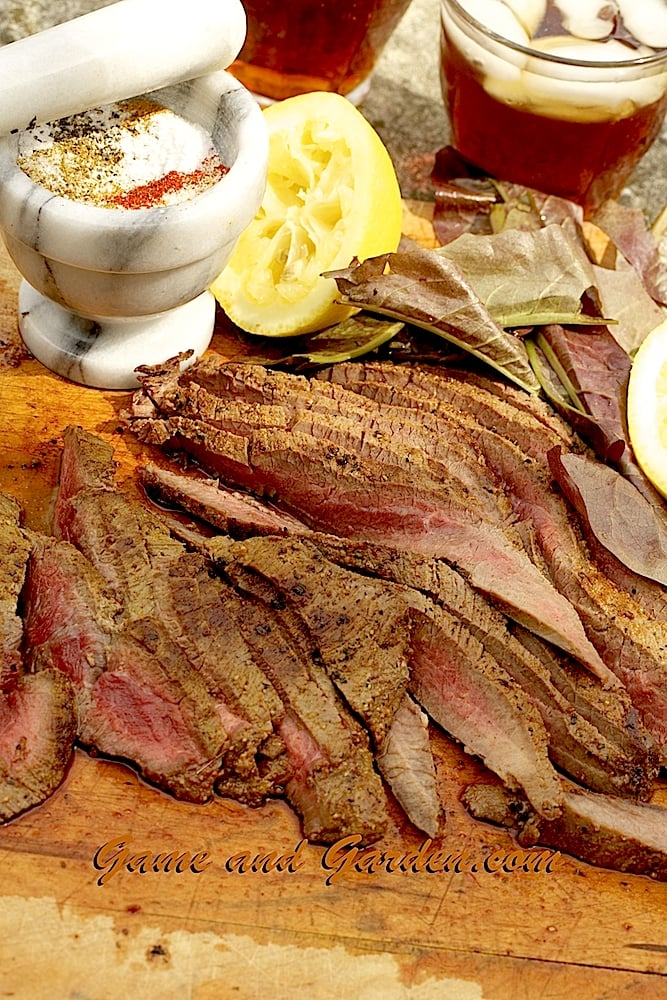
A dry rub, marinade, or brine will tenderize your venison, allowing you to prepare the tough cuts in much the same way you would cook tender cuts of meat. All three of these tenderizing methods infuse flavor and break down the meat, causing a tender juicy result in the finished product.
Venison Dry Rubs – Homemade and Storebought
A dry rub consists of endless combinations of dry herbs and spices: cumin, garlic powder, chili powder, etc. To use this method, combine spices and vigorously massage into the meat. Place meat into a glass container, cover, and refrigerate overnight or up to 24 hours.
You also can find pre-prepared enzymatic tenderizers in most grocery stores. They use papaya, figs, or pineapple to break down the amino acids in the meat. Personally, I prefer homemade dry rubs because enzymatic tenderizers take away from the flavor of deer meat. Also, if left on too long, they will cause meat to become mushy.
Starting from an all-purpose recipe, I usually add salt, coffee, or ginger to my venison dry rubs. Kosher salt improves the texture of the venison. First, it breaks down the protein and draws out the hydrogen, leaving oxygen in the muscles. This forms lactic acid, which breaks down the fibers in the muscles and connective tissue. Coffee and ginger are both acidic and will break down the enzymes in the meat. In this way, they tenderize meat just like marinades.
Brines and Marinades for Venison
Brines and marinades are fantastic for tenderizing meat. I usually reserve brining for my fowl recipes, such as wild turkey or pheasant, but many people brine venison, too.
Brines are a mixture of water, salt, and sometimes sugar. This method may reduce the “gaminess” or strong flavor of deer meat. Just combine ingredients, submerge venison in the mixture, and refrigerate overnight or for 24 hours.
Marinades are one of my favorite ways to tenderize venison. For an excellent simple marinade, you will need:
- an acid — wine, vinegar, lemon juice, or lime
- an oil — I prefer olive oil, but avocado oil is good, too
- herbs and spices of your choice
Not only do marinades add flavor, but the acid will also effectively denature your meat, which will result in tender, tasty venison. To use this method, combine ingredients in a non-reactive bowl, cover, and refrigerate for up to 24 hours. You can also place the ingredients in a zip top bag for easy clean-up.
8. Use the Best Kitchen Tools to Prepare Venison
The right kitchen tools can make preparing deer meat easy and enjoyable.
Kitchen Essentials for Cooking Venison
A cast iron skillet and a Dutch oven are the most essential tools for cooking venison at its best, and you can find them at very reasonable prices. The cast iron will evenly heat the venison, causing a beautiful caramelization when browning your meat. A Dutch oven also will hold heat well.
Both the skillet and the Dutch oven can be used over direct heat. Their ability to stand up to high oven temperatures make these two kitchen essentials incredibly versatile.
Knives and Other Small Tools
You will need a very sharp knife that holds its edge and will not rust, as well as a honing steel. An eight-inch chef’s knife will allow you to cut venison and chop vegetables as well as perform just about any task needing a knife.

An accurate meat thermometer, either digital or old school, is also essential. A few more helpful items for preparing venison are a meat mallet, mortar and pestle, and twine.
When pounding out venison, no matter the cut, a meat mallet will tear the fibers and connective tissue. This immediately produces tender meat. At this point, you can fry, stuff, or truss the meat. You can make it a complete meal by chopping herbs and vegetables and placing them on the pounded venison. Truss and brown the loin in a cast iron skillet and then finish it off in the oven.
There are many more helpful kitchen utensils, but these are the ones that I use on a regular basis!
9. Don’t Be Afraid to Be Creative
Cooking should be fun. I believe people eat out more often than not because they don’t believe homecooked food can be as good. With just a little understanding of the ingredients you are using, the sky is the limit. Use your instincts and take a few risks.
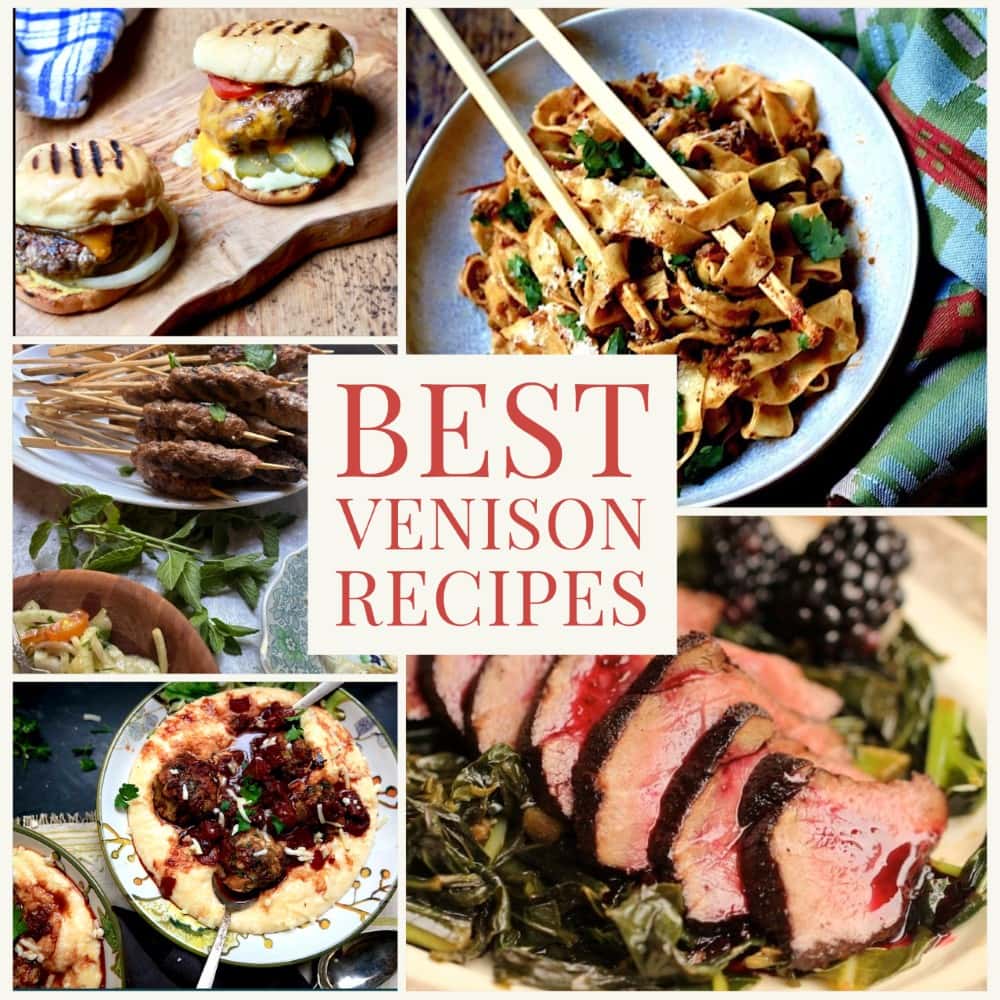
10. Try These Venison Recipes
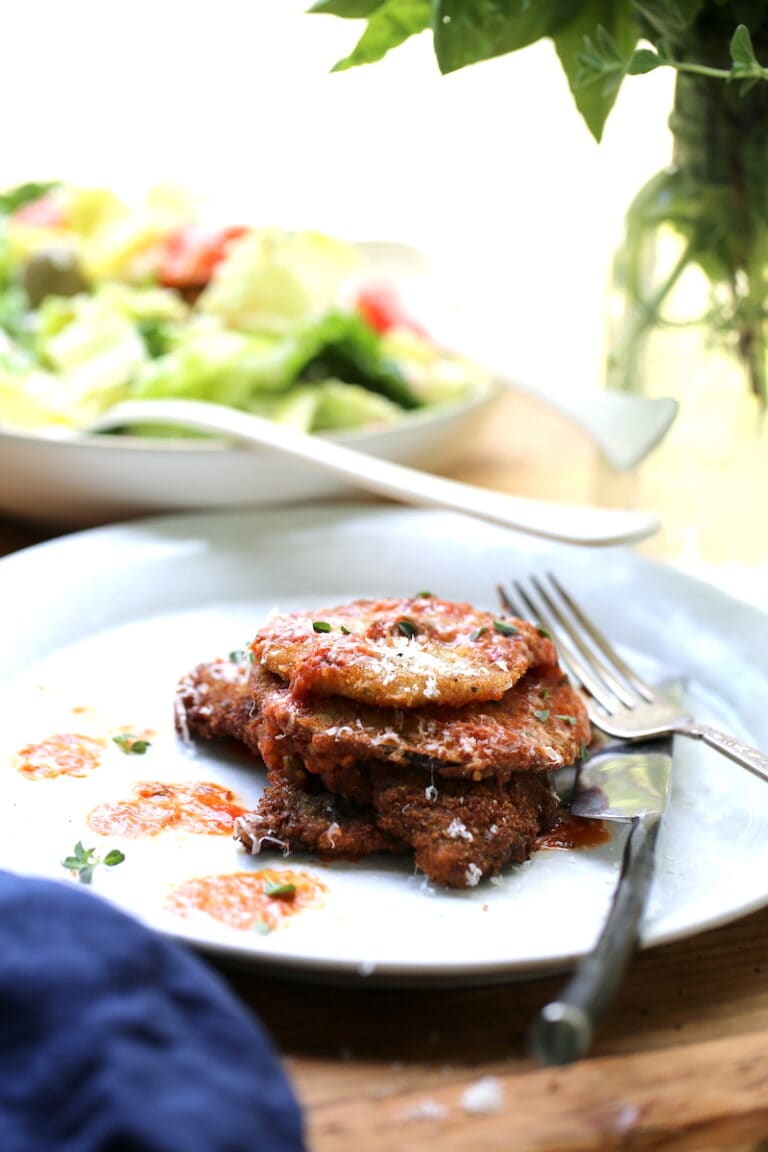
You also can start from some of my tried-and-true, family-tested venison recipes!

Hi There – you say to keep the oven between 131 – 149 – is this Fahrenheit or celcius
It is Fahrenheit. If you are putting your dish in the oven, just put it on the lowest setting. Some ovens don’t go quite that low, but you should still get good results. Let me know how it turns out!
How long do you cook the tenderloin at that temp.?
If you are referring to the braising temperature, I usually don’t braise my tenderloins. I usually cook them over high heat and sear on each side for 2 minutes and then one minute on the other sides. If I did braise my tenderloin, I would braise them very very low after browning for 1 hour or so. If that doesn’t answer your question, let me know.
I’m not sure your science is quite right on the kosher salt and lactic acid, but soaking in buttermilk is loaded with lactic acid cultures is the quickest way to tenderize meat through promotion of lactic acid.
Thanks for the helpful tips! I’ve heard of using butter to add to venison’s fat so that it’s less gamey, is that considered masking the flavor, however?
You are so welcome. Sharing my tips is a favorite pastime! I think using butter is just fine. It wouldn’t mask the flavor at all. Like salt, it should just enhance the flavor. Thanks for commenting!
Ok quick question…I want to make vegetable beef soup using venison as the beef…the venison came from a friend and I’m pulling it out of the freezer…what, if anything should I do to the meat to prep it for a soup?? TIA
Depending on what kind of meat it os or how it is cut will depend on what you do. If it is ground, you will brown it before adding the other ingredients. If it is a whole piece of meat, you could cut it in 1/2 to 1 inch pieces and brown them in batches then add them back to the pot after you get the other ingredients simmering. I hope it all works out. Please don’t hesitate to ask me if you run into problems.
I’ve had2 slabs of deer in my freezer for3 months because I can’t afford to have it processed. What can I do to eat it
Is processing necessary?
I found that using “Fat” purchased from grocery store gives the meat flavor. The butcher removes this from beef and you can request it and the price is reasonable.
So nice to have found your website, and happy to sign in and learn!! As many years as I have spent around hunters and hunting game, I can hardly believe how little I know and I am so excited about it [can hardly wait to share this site with family members and friends [or anyone else in need of the knowledge!].
Thank you for the time and effort you put in.
Thanks so much for commenting and sharing my site. This is my passion and I am so glad to share it with people like YOU! Please let me know if there is anything ever that you would be interesting in me posting. I hope you continue to enjoy the site. Keep in touch!
Very helpful, Stacy. Thanks! One question, though. In the section on Wet Aging you keep referring to “vacuum”: “No air must touch the meat once vacuum sealed. Once meat is thawed, allow the meat to age by leaving it vacuum packed for up to fourteen days.” Upon skinning and dressing a deer last year, I wrapped my venison in plastic and put it in the freezer. Now it is being thawed, still in that original plastic wrap, and will continue to stay wrapped in it (within the fridge) for a week or so to age. Is that the equivalent of what you meant by “leaving it vacuum packed”?
I am excited that you have deer meat to use this year!! Congrats on that. Well, if the meat is not vacuum packed, I would hesitate to leave it out for fourteen days. There is a possibility that it could work if no air hits the meat at all. You will probably be able to tell if any of the juices escape from the plastic wrap. This is not to say that your meat won’t taste delicious. I would not leave it out over about three days (you have to know I am very funny about meat though), but there is something more you can do to age it. You can put it on the counter with a fan blowing directly on the meat. This will help to denature the meat and give you succulent results. You win no matter what!Let me know if you have any other questions.
Hi just wondering what is you take on aging venison in vacuum sealed bags as opposed to dry aging as you have described above ?
i did read on one site that aging could be done vacuum sealed bags however the majority of the info i can find refers to the same way as you suggest (dry aging). I noticed you wrote about wet aging however this was aging after the meat was initially frozen.
As i did not have access to a cool room on short notice i butchered the meat the following day (yesterday) and vac sealed it and was hopping to be able to age it this way in the refrigerator before freezing. It would be great to know for future reference or what i can do now to rectify if its not too late, thanks.
Yes, I think the wet aging, although it is usually after frozen, will work before freezing as well. In my estimation, it should be the same as wet aging afterwards. It won’t taste like dry aging, but will be tender. I would also cook it with a day or so of thawing. I probably would dry age it on the counter 30 minutes before cooking by placing the meat on a cooling rack and facing a fan directly towards the meat. This will give it that dry age flavor. I think you should have good eaten’ coming soon!
Andrew,
I have been sharing a secret locally now for about 2 decades. If you have venison already frozen and not aged which I do consistantly because I find myself without the proper time or facilities to dry-age.
This can be done when the venison is thawed or frozen,
Step 1: With REAL Butter (I like to use KerryGold imported from Ireland), a little more expensive but worth it, put a good coating on the venison. Heat to liquid if neccessary. You can find it at most grocers.
Step 2: Sprinkle a very conservative layer or Dried, Ground Orange/lemon peel. Not too much as you really do not want to taste the Orange in the meat, unless you like the flavoring. I find that Orange works best.
Then place venison in a good quality roasting pan on a rack. place just enough water in pan to cover the bottom, this could be used to make a good venison gravy later. Depending on the cut and weight, preheat oven to about 200-225 degrees F.
and roast for about 2 – 6 hrs depending on your elevation. You will have to check more frequently as to the completeness of cooking that you desire the first time but as you do this repeatedly you will become more comfortable in the timing.
For better cuts I usually thaw first before applying Steps 1 & 2 of this process and do them on a grill.
Back-straps usually do not last as they are prepared and consumed during the dressing process. That’s the BEST.
This can be done in and out of the kitchen if you have an electric roaster.
Enjoy & Hope this helps.
I’m hoping I can put these tips to use! We recently acquired some deer meat and I’m not sure what to do with it. I’ve only ever fried it and made gravy, which is, of course, quite tasty! However, I wasn’t sure how to “handle” it, when to freeze, how to marinate, when to cook etc. Like you said, it’s NOT beef!
I got a fresh (still warm!) shoulder tonight and would like some personalized advice. Thanks!
I am so excited for you! There are so many ways to prepare venison. The variety is endless. You can peruse the site and ask me any questions you like. In the search box, look up marinade and you will find my favorites. Age the meat according to this article and freeze in one or two pound packages either with freezer paper or using a FoodSaver. I look forward to hearing how things go! Oh, go to my Youtube channel, https://www.youtube.com/user/GameandGarden. I hope you have a fantastic year.
Hi, I am wondering about the coffee. Do you use brewed coffee, coffee grinds, or instant?
I often make stews, and other meals using cubed meat. When doing so I will add a dry white wine, many reds seem to compete with the meat. I also like ground juniper berries, garlic, pepper, and add salt only near the end. Often my deer age at least 2weeks. Enjoy, do try the juniper berries, but do not pick your own unless you are certian they are the correct species. Some are considered poisonous.
Hi Larry. I use freshly ground coffee. Instant will work too. . Ground juniper berries are awesome. Your method sounds fantastic. I hope you have a fantastic year of hunting and..Happy Cooking!
Hi Stacy, it’s so great that you’re answering questions for people. I appreciate all the tips. I purchased 8 ounces of premium balsamic vinegar infused with espresso from a specialty store. I’d like to use it on some tenderloins. Should I save it for after the meat is cooked (like a drizzle or glaze) or should I use it in the marinade? I plan to sear the tenderloin and cook it whole in a Ninja crock pot (then slice and serve).
Can I age the venison in the bottom of a cold refrigerator for 14 days in a zip lock then grill. How long is too long for fresh cleaned then left in the frige before cooking ? Thank you . Merry Christmas .
Scott, you can leave it in the refrigerator to age for 14 days. I would not leave it in a zip lock in that air needs to circulate around it and the blood needs to drain from the meat. It can be done, but it may taste a little gamey. I only leave mine in the refrigerator 1 week to 10 days, but many people leave it to age for 14 days. You can cook what has aged right the or freeze it. So glad you have venison to “put up”! Merry Christmas!! If this doesn’t answer your question sufficiently, let me know.
Do you ever use a vacuum sealed container for over night marinating of your venison? Is there any advantage when you have less than 24 hours to marinate?
Hal, yes, I have used my vacuum sealer for marinating. I do think there is an advantage. For me, it seems to marinate in less time in that the marinade is touching the venison everywhere. There is no air hitting the venison and no turning needed during the marinating process.
I was given some venison after a hunting trip this past weekend. It is currently in the freezer. Can it be refrozen after aging?
If it didn’t thaw all the way out, I know that it is fine to refreeze. I have refrozen meat after it has thawed all the way, and it was fine. I am very funny about meat too, so I feel safe in saying so, but if you have more questions, check with the USDA on refreezing. They have a section on their website about freezer safety.
How do you prep the meat? I was told to soak it overnight
In vinegar, tomato juice, milk, bacon grease, etc. to me that’s a lot of unnecessary todo. HELP!
Stacy,
I want to do venison tenderloins in my crock pot with vegetables – if I cook it on low for more than 5 hours do you think it will be too tough? Thanks for your help
Bernadette
I usually use the tough cuts of venison for slow braise style cooking (crock pot). It might get a little stringy. I love to eat my tenderloin rare or medium rare; If you do go ahead and cook it in the crock pot, make sure that it is set on the lowest setting possible and please let me know how it turns out. Happy Cooking!
Hi Stacy, I have acquired some ground venison from a friend of a friend, so I don’t know the history of the meat, and being I have never eaten venison, and nobody in the house does, I was going to prepare for my dog rather than discard good meat. Do I still have to age it since it is already ground or can I just cook it when it thaws? I just pulled it out the freezer today and put it in the fridge, it is vacuum sealed.
If you are preparing it for your dog, you don’t need to age it. Aging it just helps the flavor and tenderness, but you can actually eat the meat when it is harvested. I would just cook it when it thaws. It should be great.
Stacy, my husband and I both hunt, he fishes, and we have a small farm, grow a garden, can, and forage food. Which one of your books would you suggest for us. I am especially interested in wild game recipes. I messaged you before about making venison(deer) sausage and I did great. I couldn’t figure out how to share that picture with you. If you could suggest a book I would appreciate it.
Both of my books have an abundance of wild game and fish recipes as well as great straight from the garden vegetable recipes. They also have a few organic free-range meat recipes. The Recipes and Tips for Sustainable Living book has more gardening and preserving “how to’s” and Tracking the Outdoors In has more family stories although it also has a few preserving and canning instructions. I like them both. I wish I could be more help with your decision, but I find that my I use both as references. I can’t wait to see which one you choose or maybe both. They are on sale at almost half price on this website. I will also sign them for you.
We hang our deer for two days,after hosing out all blood,then cut and vacuum pack wrap. If i put steak in a tupperware t unthaw and leave in frig.for four days,this is still good to eat? Its been hung prior to froze.
Absolutely Paula! That will certainly work. I may leave mine to thaw for even a little longer, but certainly your way will be sufficient and great!
I just want to say, your photos of venison look super delicious! Makes me excited to cook the venison we just filled our freezer with. Thanks so much for sharing your recipes and tips!
Thanks Kendra! We harvest many deer most years, so I am always trying to make room for the new harvests. I’ve loved learning to cook with venison – it is a fabulous meat!
I was given a zip lock bag with 6 1/2 lbs of frozen venison in it. Can I put this in my crock pot (7qt) with the marinade on a bed of onions & cook it on warm for perhaps 24 hrs.
I would brown the meat first before putting it in the crock pot. You can do it without browning, but browning will enhance the flavor. As far as the rest of the recipe, it sounds just fine. Depending on what cut of meat you have, I may choose to put it in a Dutch Oven so that I could control the temperature a little better and really cook it slow. If you have any other questions, don’t hesitate to reach out. So excited for your gift!! Let me know how you like it.
Thank you so much for your reply. I will put it in a Dutch oven then and in the oven for temperature control. Slow & low!
This is a great website, can’t believe I just stumbled upon it trying to prepare my first deer!! So many tips and suggestions! Thanks from the bottom of my heart!
Happy you found it Van! Keep it bookmarked or subscribe for more updates.
I’ve read that dry aging can be used before freezing but wet aging is for after freezing. My question is can you dry age after freezing and thawing the meat? I got the meat already butchered and frozen but it hadn’t been completely cleaned yet. So it hadn’t been aged at all. Since I don’t have access to a vacuum sealer I was hoping I could thaw and clean the meat and then dry age for a week or so before cooking?
I’m still not clear on your answer a our the coffee. You said you use freshly ground coffee. Okay is that freshly ground brewed coffee or freshly ground beans ( the grounds}. Then rinsed off? Hoped that not too dumb a question Kit
I use freshly ground beans that are ground very fine. For my dry rubs, I mix Kosher salt, cayenne, and finely ground coffee beans. No, that’s not a dumb question at all. So glad that you asked. I hope that helps. Here’s one of my recipes using coffee: https://stacylynharris.com/cooking/chili-cocoa-crusted-venison-with-berry-reduction/. Hope that helps.
I was looking through all these comments and wondered if you did not post the comments that said, you don’t have to age Deer meat like you do Beef and found none ?
Have you tried not ageing deer meat, which we found out after my nephew who grew up on the farm went into meat science at a major University . He explained to us about difference in the enzymes and other factors in Deer . But it has been over 30 years ago. He got his Doctorate and is now retiring from the head of the Meat science lab.
I do not know how many deer our family has killed and butchered but counting me and my wifes deer pins it is way over 100 and more if counting my son’s deer.
Try one not hung over a day or so and post the difference in taste please. Me and wife are over 72 now 🙁 . Not afraid to learn something new every day.
1st Air Cav. ’67 nam
Thanks. I’ve eaten the meat from fresh deer quite a few times and it is great, but I LOVE venison. Usually, it’s when I am filming and need the meat. I prefer the taste after it has been aged, but you are quite right…it’s great even when fresh! Thanks again for commenting. I’d love to get my hands on a paper your nephew may have written! Meat Science is amazingly interesting to me.
I love these idea’s. As a Southern boy, We eat game meat a lot. I learned a lot from this too that I did not know. Thanks
Could I make tamales using deer meat.
If so which cut would you recommend?
Is there a receipe you know of. I am new at this but would love to try.
As long as you cook the meat low and slow, you can use any cut. Very low and slow – 130 degrees until it falls apart. Make sure it has some kind of liquid in the pan with it and maybe some onions for flavor. The most tasty cut will be the hind quarter or the neck meat. I’ve done tamales before and they were amazing. Happy Cooking!
Hi Stacy, nice insights on mastering the venison. I like wild game and I enjoy experimenting when cooking it. Second, I had to find a way for my family to eat it, especially liver. So I found out about mazzafegati an italian sausage recipe that is a winner! If you don’t know about it you can try out, I have my own recipe on the blog, but you can ask me for tips anytime. God bless!
I’ve book marked it for later!
Awesome!! I hope it helps!